はじめの数時間
影のダンジョン初心者ガイド — クラス選びからグレイター・リフトまで
影のダンジョン初心者ガイド:有利なクラス選択、タレントの振り方、160ステージの攻略、リフト解放への最短ルート。
Step 1 — Pick a class you will not regret
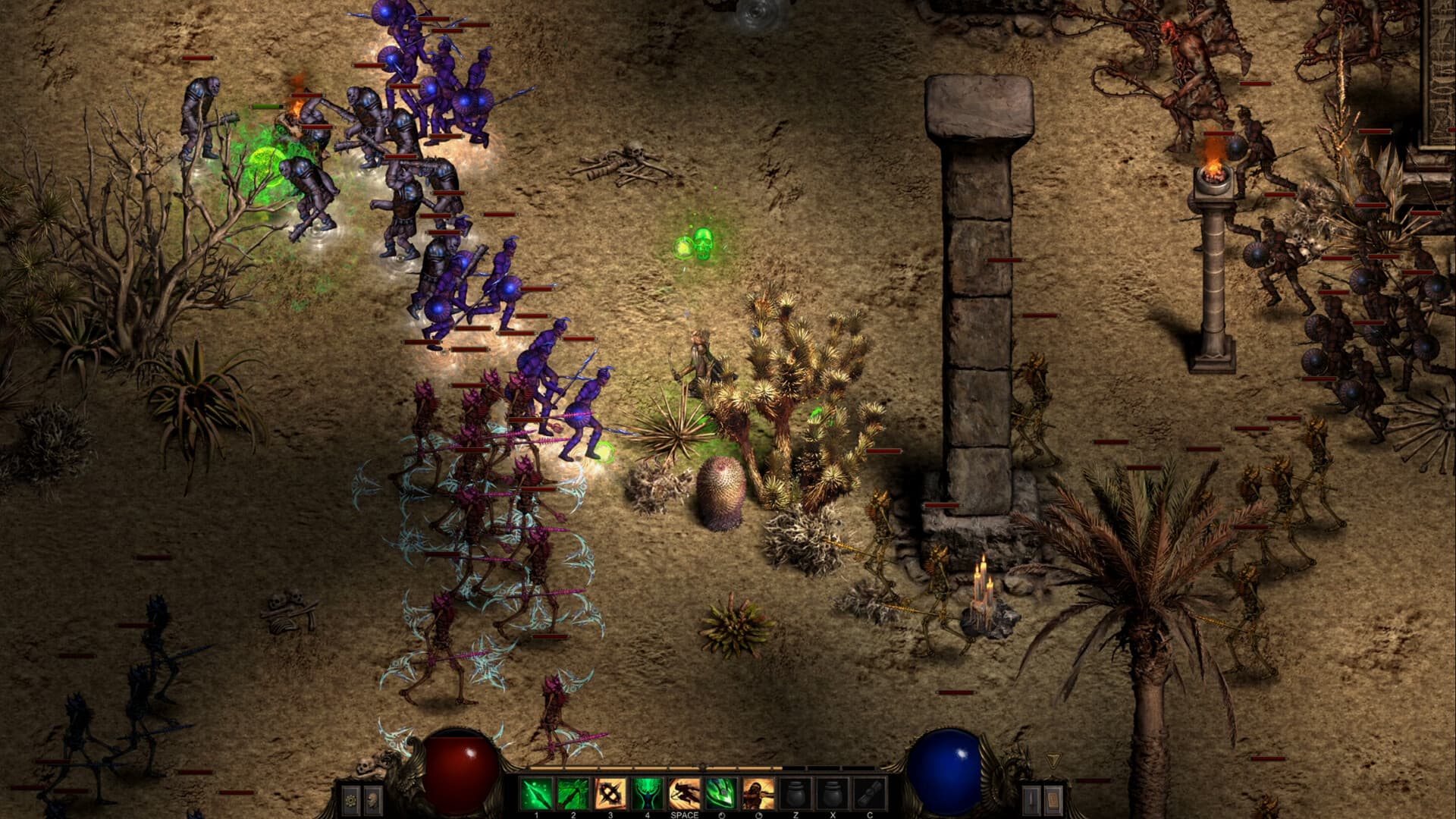
Shadow Dungeon has four classes and they play very differently. Paladin is the most forgiving first pick: a massive shield for dangerous situations and a natural path into a tank build. Necromancer is the strongest overall comfort class — summoned foot soldiers fight in front of you while you attack from range.
Mage and Ranger are deliberately less forgiving. Mage clears maps with area damage but struggles against bosses; Ranger has the longest range in the game but a fragile health pool. Both are fine second runs — see the classes page for the full comparison.
- First run: Paladin to learn safely, Necromancer for power with comfort.
- Second run: Mage for map-wide damage, Ranger for positioning play.
- The class decision shapes the whole run — do not rush it.
Step 2 — Read the 160-level loop correctly
The official story is 160 levels, tuned to take 30–50 hours, and it ends with your character around level 99–100. Monster levels and item drops are tied to the map rather than your character level — so when a zone feels brutal, the fix is usually a gear check, not more grinding.
Spend talent points early and often. Weapon-granted skills (there are over 2,400 across the 1.0 item pool) disappear when the weapon does, but talent skill runes are permanent progression. Prioritize survivability, movement and damage consistency while you are still learning attack patterns.
- Do not hoard talent points — unspent points are wasted power.
- Read the whole affix list on a drop; skill-granting affixes beat raw damage more often than you expect.
- Keep one backup weapon per damage type so a resistance wall never stops your run.
Step 3 — Finish the story, then live in the Rifts
Clearing the main story unlocks Greater Rifts: Normal, Master, Nightmare and Inferno. Higher difficulties roll better rare items and more weapon affixes, which is exactly what deeper build-crafting needs.
Start rifts on Normal even if the story felt easy — rift modifiers change the pacing, and learning them on a forgiving tier is cheaper than re-running Inferno. The endgame is where the class differences really show, so revisit the classes page when you plan a second character.
- Greater Rifts = four difficulties, better odds on higher tiers.
- Rift-exclusive loot includes talent and equipment skill runes.
- Save your best gear for the difficulty climb; the story build does not have to be perfect.
Step 4 — Advanced habits from launch-week veterans
Launch-week creators shared habits that separate smooth runs from grindy ones. These come from community videos (attributed in our sources), so treat them as strong leads — then test them in your own build.
- Treat your stash as a build laboratory: storage pages are effectively unlimited, so hoard varied gear instead of selling everything — future builds start from your stash, not from re-farming.
- Prioritize quests that reward stash/page expansion; they remove inventory pressure for the rest of the game.
- High-tier weapons with negative affixes are worth keeping: counteract health drain or regen penalties with permanent regeneration stats instead of discarding the item.
- Mix talent trees early — each class has three trees (12 across the game) and late-game skill points stop being a constraint.
- Pick a target armor set early: 15 class-exclusive sets exist, and full set bonuses beat stacked loose stats.
- Treat the 60+ unique bosses as farmable targets — plan waypoint routes around the bosses that drop your build's items.
- Use the blacksmith aggressively: enhance to around +20 and reroll affixes on promising bases instead of hoarding gold.
Keep the page honest
Use the version scope, source status, and verification date above when you quote this guide. If the game UI or source changes, update the claim before expanding the recommendation.
Sources to check