クラス

影のダンジョンのクラス — ネクロマンサー/ホーリーウォリアー/ソーサラー/アーチャー

影のダンジョンの全4クラス比較:ネクロマンサーとホーリーウォリアーはS、ソーサラーとアーチャーはA — プレイスタイル・長所・短所・向いている人。

2026-08-30Launch-week community consensus, attributed to Destructoid
このページ
  1. The four classes, ranked at launch
  2. How to choose without wasting a run
  3. Class systems every build should use

The four classes, ranked at launch

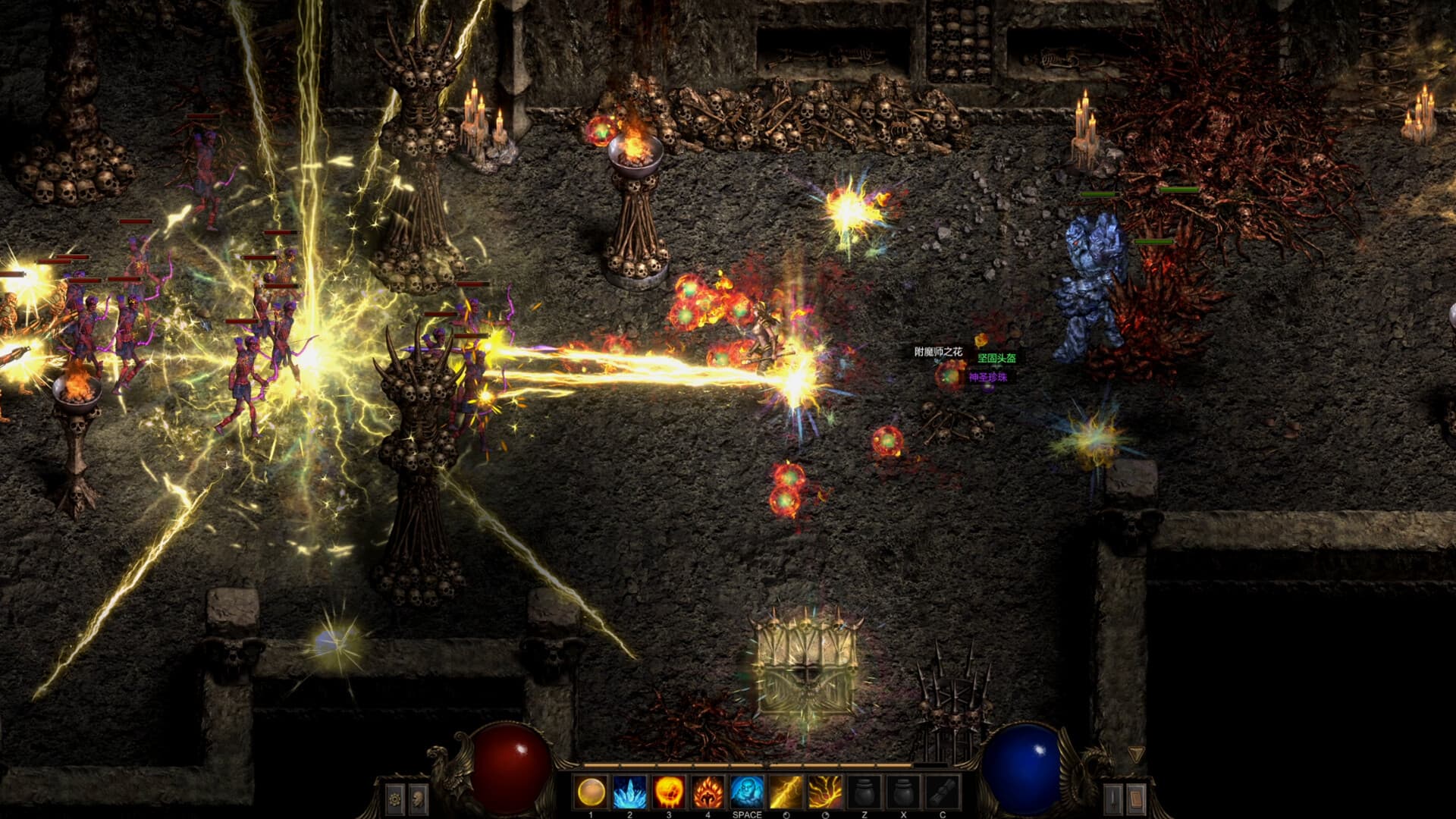
Shadow Dungeon launches with four playable classes — Necromancer, Holy Warrior, Sorcerer and Archer — and early community consensus (the Destructoid launch-week tier list, August 27, 2026) splits them into two tiers: Necromancer and Holy Warrior in S-tier as the best choices for all types of players, Sorcerer and Archer in A-tier as strong options that need more effort to master.

Naming note: some reviews and creators use casual names — "Paladin" for Holy Warrior, "Mage" or "Sorceress" for Sorcerer, "Ranger" for Archer. They refer to the same four classes.

The roadmap adds four more classes (Assassin, Engineer, Barbarian and one more, per community-tracked announcements) — treat that as planned content until an official patch confirms it.

  • S-tier Necromancer: summoned foot soldiers tank and distract while you deal ranged damage — tremendous advantage against mobs.
  • S-tier Holy Warrior: massive shield, high survivability, and gear paths that make the build practically unkillable.
  • A-tier Sorcerer: immense crowd-control and AoE damage for easy map clearing, but a shallow health pool makes bosses risky.
  • A-tier Archer: greatest range in the game — you can kill before being seen — but some AoE skills need heavy skill-point investment.

How to choose without wasting a run

If this is your first playthrough, Holy Warrior teaches the game safely: you survive mistakes that would end an Archer, and a tank-focused equipment path is famously hard to kill. If you already know you like pet-style play, Necromancer does the same job with more damage upside.

Sorcerer and Archer reward a second run where you already know enemy attack patterns. Their weaknesses — boss pressure for Sorcerer, health for Archer — are exactly the skills a first run teaches, so treat them as your endgame specialists for Greater Rift climbs.

  • Learning the game: Holy Warrior (safest) or Necromancer (strongest).
  • Second character: Sorcerer for map clear, Archer for precision play.
  • Re-check tiers after each balance patch — launch consensus moves quickly in ARPGs.

Class systems every build should use

Three systems multiply whatever class you pick. First, each class has three talent trees — twelve across the game — and late-game skill points stop being scarce, so hybrid routes (for example, a Necromancer borrowing mobility or crowd-control nodes) often beat a single pure tree.

Second, the game ships 15 class-exclusive armor sets. Full set bonuses grant mechanics that loose items cannot: skill damage boosts, cooldown reduction, triggers on attack, automatic defensive buffs. Decide your target set early and farm toward it instead of chasing raw stats.

Third, Necromancer minions respond to gear: specific affixes convert standard skeletons into death sentinels or specialized archers, changing their battlefield role. If you die quickly, crowd-control summons buy time; if damage stalls, prioritize offensive minions.

  • Respec is cheap: one free forgetfulness potion at the start, then about 8,000 gold per reset — experiment freely.
  • Enhance aggressively at the blacksmith (enhancement caps around +20) and reroll affixes on items whose triggers fit your build.
  • Community tier framings (like Destructoid's) may use casual names — Paladin means Holy Warrior, Mage or Sorceress means Sorcerer, Ranger means Archer.

Watch it in action

Videos via credited YouTube creators — attributed cases, not official guidance.

Keep the page honest

Use the version scope, source status, and verification date above when you quote this guide. If the game UI or source changes, update the claim before expanding the recommendation.

Sources to check

Primary references